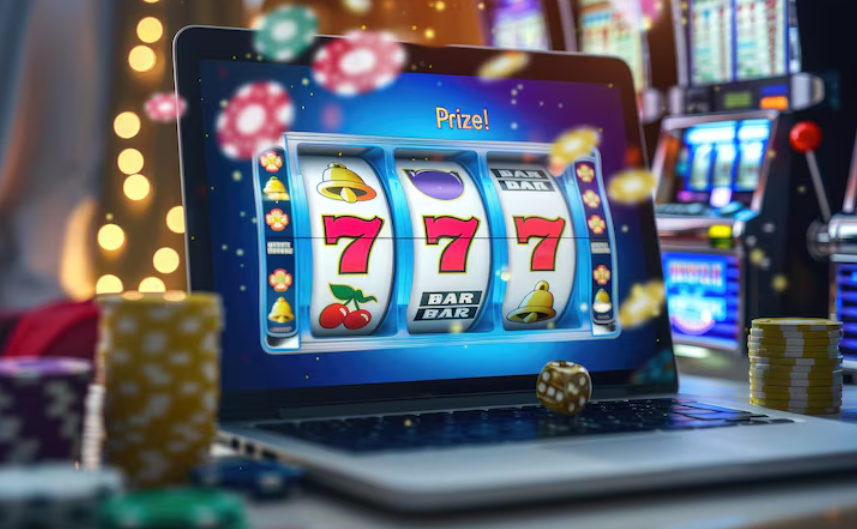
Slot games have come a long way from the days when players simply watched a few mechanical reels spin behind a glass panel. Modern slot entertainment is built around animated environments, responsive interfaces, layered sound, interactive bonus features, and software capable of managing thousands of actions in seconds.
What looks like a simple spin on the screen is actually the result of several technologies working together. Graphics engines, random number generation, mobile optimization, audio design, data processing, and secure platform infrastructure all contribute to the experience. These technologies are turning individual slot titles into complete digital worlds designed to feel constantly in motion.
Table of Contents
ToggleFrom Mechanical Reels to Digital Environments
Traditional slot machines were limited by physical hardware. Symbols had to fit on actual reels, paylines were relatively simple, and developers could only add features that the machine itself could support.
Digital technology removed many of those restrictions.
Software Gives Developers More Creative Freedom
Virtual reels do not need to follow the same physical rules as mechanical machines. Developers can build expanding grids, changing symbols, animated backgrounds, cascading mechanics, and multiple stages within a single game.
Instead of designing only the reels, studios can create an entire visual environment around them. A game might begin inside an ancient temple, move into an underground chamber during a feature, and introduce additional animations when particular symbols appear.
The result is an experience that can change visually while the underlying slot mechanics continue running in the background.
Graphics Engines Keep Slot Worlds Moving
Visual design has become one of the most noticeable areas of technological development.
Modern slots often use animation techniques similar to those found in casual mobile games. Symbols can glow, explode, transform, or move across the screen. Background elements may also react to what happens during a spin.
Animation Makes Game Events Easier to Follow
These effects are not included only for decoration. Good animation can communicate information.
For example, a flashing symbol may indicate that a feature has been activated. A short sequence can show that one symbol is changing into another. Cascading animations help players understand why new symbols are appearing after a winning combination disappears.
This creates a stronger connection between the mathematics of the game and what the player sees on the screen.
Mobile Technology Has Changed Slot Design
Smartphones have had a major influence on the way slot games are developed. Players may access entertainment through a dedicated app or a gaming website, often moving between phones, tablets, and desktop computers.
That means developers must design games that remain clear and responsive across very different screen sizes.
Responsive Interfaces Adapt to Different Devices
Buttons need to be large enough to use comfortably on a touchscreen, while important information must remain visible without overcrowding the display.
Developers may reposition controls, resize reels, simplify menus, or adjust animations depending on the device. Portrait layouts have also become more common because many smartphone users naturally hold their devices vertically.
Performance matters too. Heavy animations and large files can slow down older phones, so developers often balance visual quality with loading speed and hardware requirements.
RNG Technology Runs Behind Every Spin
While graphics receive most of the attention, one of the most important technologies operates almost entirely in the background.
A random number generator, commonly known as an RNG, continuously produces numerical values that software uses to determine game outcomes.
Visual Effects Do Not Decide the Result
The spinning reels seen on screen are primarily a visual representation of an outcome generated by the game system.
This distinction is important because dramatic animations can make a spin feel like it is gradually developing. In reality, the underlying software has already processed the relevant result according to the game's programmed rules.
RNG systems allow digital slots to operate quickly while supporting much more complex reel layouts than traditional mechanical machines.
Sound Technology Builds Atmosphere
Modern slot entertainment is also shaped by audio.
Background music, reel sounds, symbol effects, voice clips, and feature-specific soundtracks help create the atmosphere of a game. Developers often adjust the audio dynamically depending on what is happening on screen.
Sound Can Signal Changes in Gameplay
A standard spin might use a short, subtle effect, while the activation of a bonus round could introduce completely different music.
Audio cues can also help communicate information. A change in tempo may indicate that a feature is developing, while a distinct sound can confirm that a particular symbol or event has appeared.
When animation and sound are carefully synchronized, the game feels more responsive because actions receive immediate visual and audio feedback.
Bonus Features Depend on More Advanced Software
Digital technology has also made slot structures more flexible.
Developers can now include free-spin rounds, expanding symbols, multipliers, cascading reels, moving wilds, collection systems, and multi-stage features.
Some games even introduce temporary changes to the reel layout.
Features Can Transform the Screen
A game might begin with a standard grid before expanding vertically during a special feature. Another could remove winning symbols and replace them with new ones, allowing several sequences to occur from a single initial spin.
These systems require software to track changing symbol positions, multipliers, feature conditions, and animations while maintaining a smooth interface.
Cloud Infrastructure Supports the Wider Experience
The technology behind slots extends beyond the individual game.
Online platforms rely on servers, content delivery systems, account management technology, payment infrastructure, and security systems to make games accessible.
Cloud-based systems can also help platforms deliver large game libraries without requiring users to store every title directly on their devices.
Developers and operators can update certain platform components more efficiently, while players can access compatible games from different locations and devices.
Technology Is Turning Slots Into Digital Entertainment Worlds
Modern slot entertainment is no longer defined only by spinning reels. It combines software engineering, responsive design, animation, audio, RNG systems, mobile technology, and online infrastructure.
These technologies allow developers to create games that constantly react, transform, and communicate through movement and sound.
The basic idea of matching symbols may still sit at the center of many slot games, but everything surrounding those reels has changed. As technology continues to develop, the digital worlds built around each spin are likely to become even more responsive, visually detailed, and technically sophisticated.