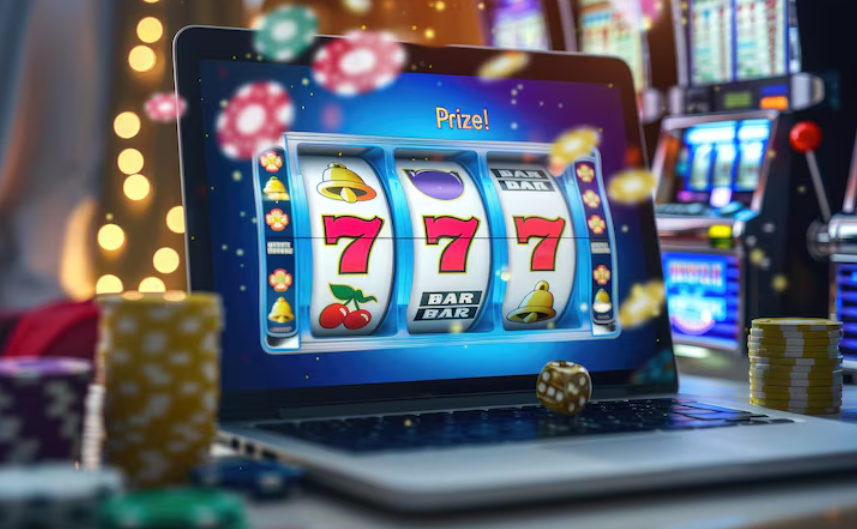
Slot games were once defined by a straightforward mechanical process. A player pulled a lever, physical reels rotated, and a small collection of symbols settled across one or more paylines. The format was easy to recognize, but the machines offered limited opportunities for visual variation or interactive features.
Digital technology has dramatically expanded that format. Modern slot games can include animated environments, evolving reel layouts, themed bonus rounds, responsive sound, and mobile-friendly controls. The central action remains the spin, but technology now surrounds it with additional layers of presentation and interaction.
Table of Contents
ToggleFrom Mechanical Simplicity to Digital Flexibility
Traditional machines depended on physical reel strips, gears, and internal mechanisms. Cabinet dimensions restricted the number of reels and symbols that designers could use. Changing the structure of a game often required constructing an entirely different machine.
Digital displays removed many of these physical restrictions. Developers gained the freedom to create larger grids, unusual reel formations, animated symbols, and multiple modes within one game. A conventional layout can now expand, contract, or transform when a particular feature begins.
This flexibility allows the reels to become active parts of the experience. Instead of merely spinning and stopping, they may react to symbols, reveal new areas, or change their behaviour during different stages.
Random Number Generation and Digital Outcomes
Random number generation is one of the fundamental technologies behind digital slots. A random number generator, or RNG, continuously produces numerical sequences. When a spin is initiated, the system uses a number to determine its outcome.
The tangan dewa reel animation presents that result to the player. It does not influence or gradually create the outcome as the symbols move. This means visual effects such as pauses, changing reel speeds, and near-miss sequences are part of the presentation rather than indications that the final result remains undecided.
RNG systems support more possible combinations than traditional mechanical reel strips. They also give developers the technical foundation needed to create varied features while preserving chance-based outcomes.
Interactive Features Beyond the Main Reels
Modern slots often contain features that temporarily alter the standard pattern of play. These additions give the game a more dynamic structure and make different sections visually distinct.
Common interactive mechanics include:
- Cascading symbols that disappear and are replaced after a qualifying result
- Expanding reels that add new rows or columns
- Transforming symbols that change into matching or special icons
- Pick-and-reveal screens with selectable objects
- Collection meters that track items during a defined feature
- Multipliers that increase under specified conditions
Theme as an Organising Structure
Technology allows themes to influence much more than the reel background. A strong theme can connect the artwork, symbols, music, interface, and bonus mechanics.
An exploration-themed slot might use maps to represent progress through different features. A fantasy game could introduce characters who animate when special symbols appear. A futuristic title may use glowing controls, electronic sound effects, and shifting reel frames to build its atmosphere.
When these elements work together, the theme helps players understand how the game is structured. Visual changes can indicate that a bonus round has started, while character movements may draw attention to an important symbol or event.
Animation and Sound as Feedback
Animation makes digital slots visually expressive, but it also communicates information. A symbol that enlarges may be activating a feature, while a changing background can signal a transition to a new game mode. Clear animation helps explain events without requiring lengthy instructions.
Sound performs a similar role. Short audio cues can confirm button inputs, distinguish special symbols, and mark transitions. Music may become faster or more intense during a feature to reinforce a change in pace.
However, more effects do not always produce a better experience. Excessive movement, loud audio, or constant visual stimulation can make the interface difficult to follow. Effective design uses animation and sound selectively, preserving both entertainment and clarity.
Mobile Design and Touchscreen Interaction
Smartphones and tablets have changed how slot games are presented. Controls must remain easy to select on smaller screens, while symbols and information must be readable without overcrowding the display.
Responsive design allows an interface to adjust to various screen sizes and orientations. Some games use portrait layouts designed for one-handed use, whereas others use landscape mode to provide more space for detailed reel grids.
Mobile development must also consider loading speed, battery consumption, storage requirements, and connection quality. A visually ambitious game still needs to operate smoothly across a range of devices.
Personalisation and Accessibility
Digital platforms can remember settings such as language, sound level, display preferences, and accessibility options. Adjustable audio, readable text, strong colour contrast, and clearly labelled controls can make games easier to navigate.
Personalisation may also help users organise game libraries by theme or format. These features improve convenience, but they should remain transparent and should not obscure rules, spending information, or the chance-based character of the game.
Responsible Engagement with Interactive Slots
Interactive presentation can create a strong sense of progression, even when each spin remains independent. Collection meters, dramatic animations, and themed journeys should not be treated as guarantees of future outcomes.
Responsible engagement includes setting firm time and spending limits, taking breaks, and viewing slots as paid entertainment rather than a source of income. Understanding how technology shapes the presentation makes it easier to distinguish immersive design from actual control.
Conclusion
Technology has added depth to slot games by expanding their visual, structural, and interactive possibilities. Changing reels, animated themes, responsive audio, mobile interfaces, and accessibility settings create experiences that extend far beyond mechanical spinning.